
How to Find a Reliable Hair Extension Factory in China
Finding a hair extension factory in China is easy — a quick search on Google, Alibaba, or social media yields hundreds of results. But finding a reliable one? That's where most brands struggle. Inconsistent quality, missed deadlines, and poor communication can cost you customers and credibility fast.
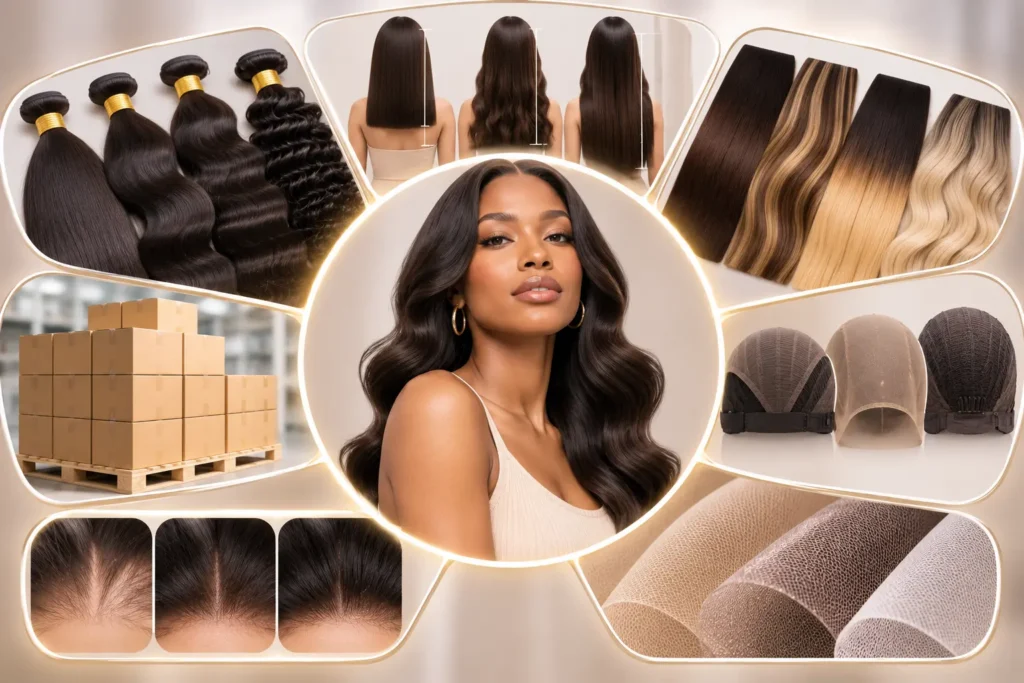
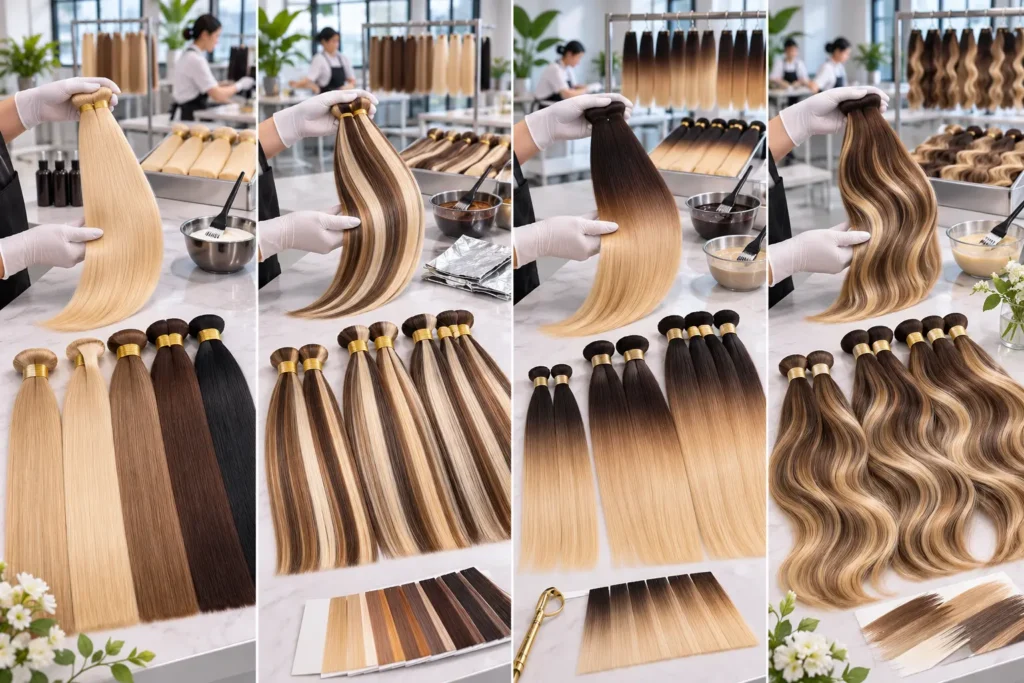
A reliable hair extension factory in China should demonstrate strict raw material sourcing and inspection, mature bleaching and dyeing processes, stable production capacity with consistent lead times, and professional after-sales support. Evaluating suppliers against these four pillars helps buyers separate trustworthy manufacturers from unreliable middlemen and avoid costly quality failures.
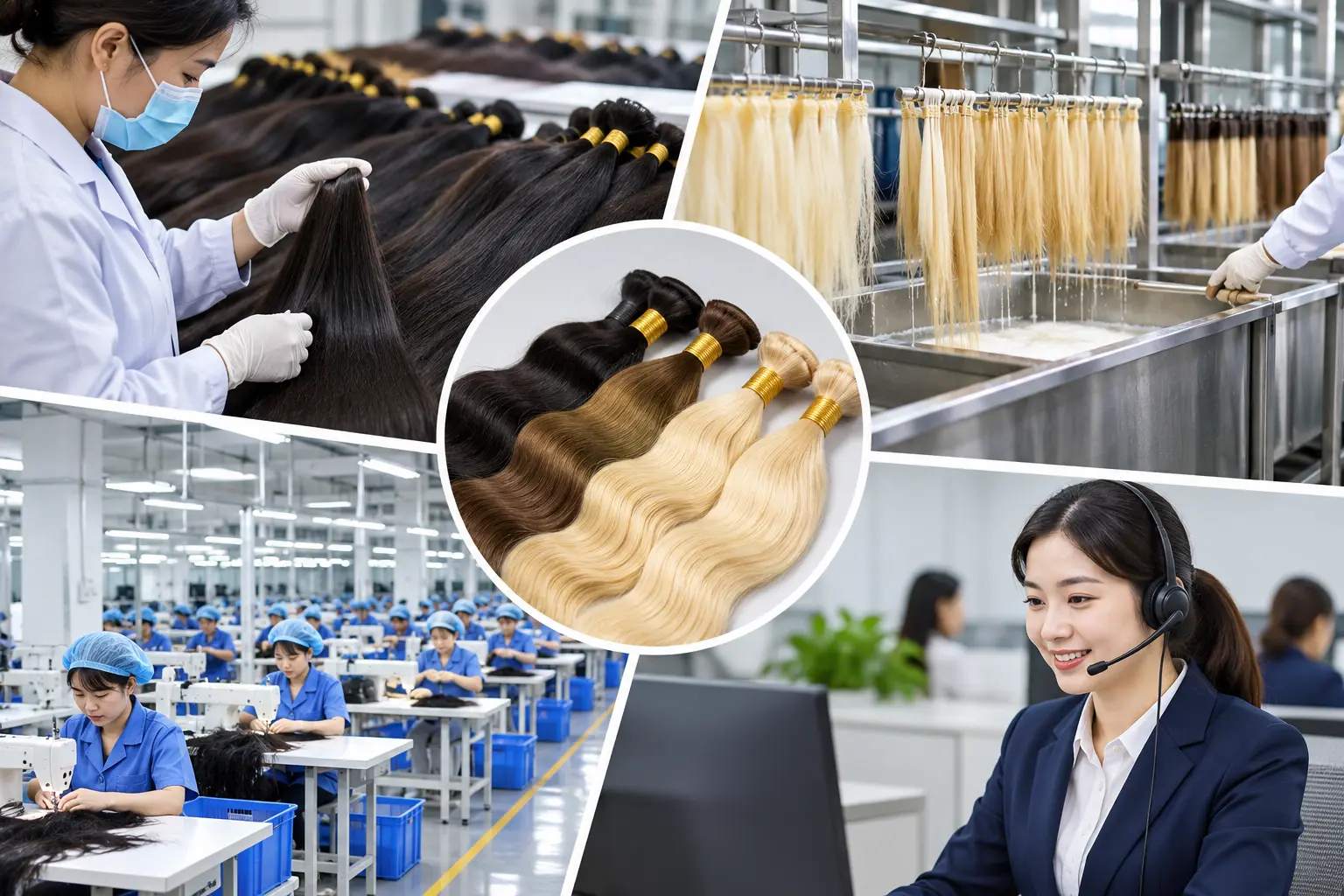
China remains the world's largest hub for human hair extension manufacturing[^1], supplying brands across North America, Europe, Africa, and beyond[^2]. But the sheer number of suppliers makes vetting difficult. In the sections below, I'll walk you through where to find Chinese hair extension factories, what separates a reliable manufacturer from a risky one, and the specific quality benchmarks you should demand before placing your first order.
Why Is China the Leading Source for Hair Extension Manufacturing?
Many buyers know China produces hair extensions, but few understand why it dominates the global supply chain. The answer goes beyond cheap labor — it involves decades of specialized infrastructure.
China leads hair extension manufacturing because it has the most concentrated ecosystem of raw material sourcing networks, processing technology, skilled workers, and export logistics in the industry[^3]. Provinces like Shandong (particularly Qingdao and surrounding areas) have built multi-generational expertise in human hair collection, processing, and product fabrication that no other region matches at scale.
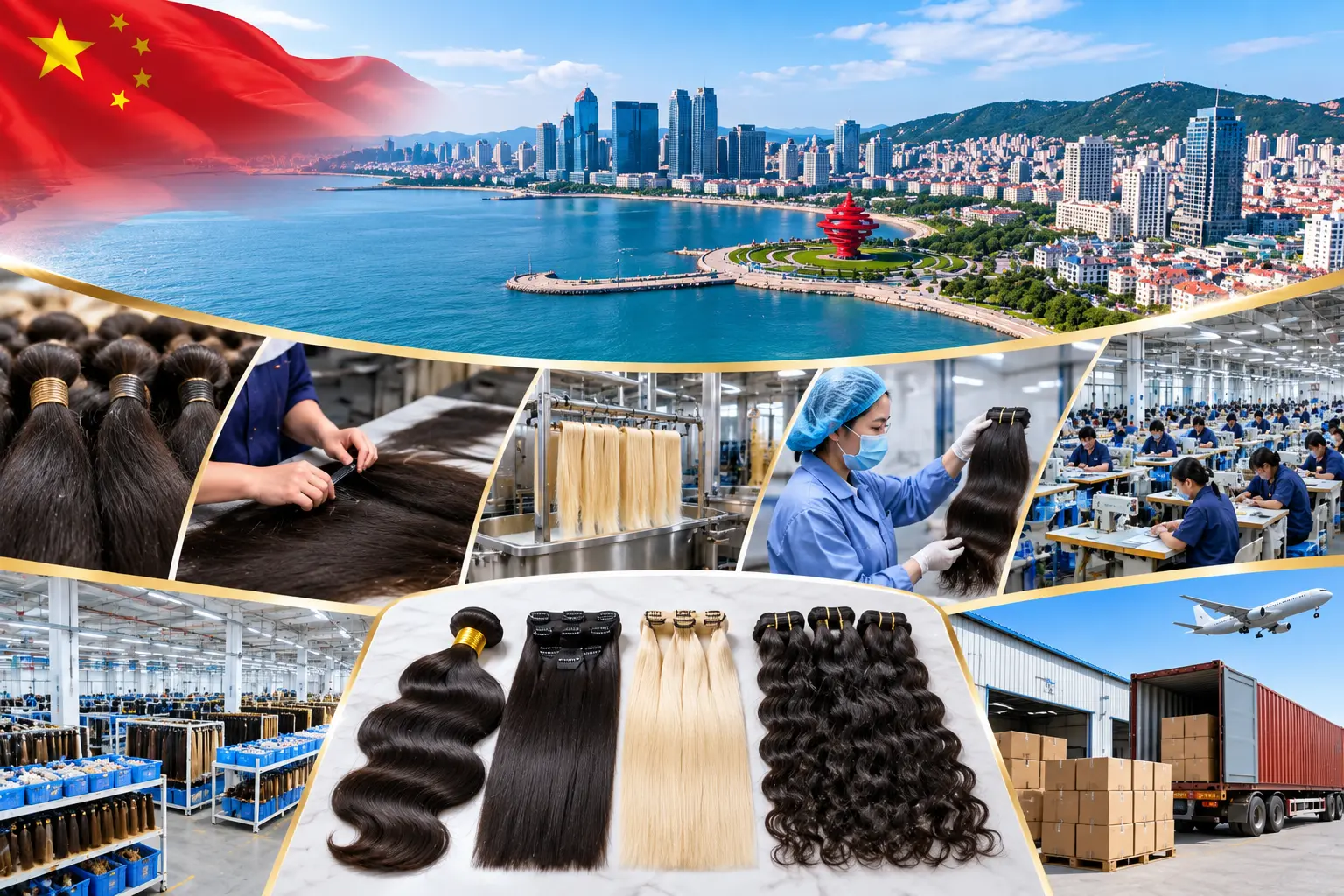
The Qingdao Advantage
Qingdao and its neighboring cities house thousands of hair extension factories[^4] ranging from small workshops to large-scale manufacturers with hundreds of workers. This clustering creates several advantages for international buyers:
- Supply chain density: Raw hair collectors, sorting facilities, chemical processing plants, weft-making workshops, and packaging companies all operate within a short radius. This reduces lead times and production costs.
- Skilled labor pool: Workers in this region often have 10–20+ years of experience in specific tasks like hand-tying wefts, cuticle alignment, or color matching. This expertise directly affects product quality.
- Export infrastructure: Qingdao is a major international port city[^5] with well-established freight forwarding, customs clearance, and logistics services tailored to hair product exports.
What China Offers That Other Markets Don't
| Factor | China (Qingdao Region) | India | Southeast Asia |
|---|---|---|---|
| Product variety | Full range (wefts, tape-ins, keratin, toppers, etc.) | Strong in bulk hair, limited finished products | Growing but limited |
| Processing technology | Advanced bleaching, dyeing, cuticle-intact methods | Moderate | Developing |
| Customization capability | High (custom colors, lengths, densities, packaging) | Moderate | Low to moderate |
| Export experience | Decades of B2B international trade | Growing | Early stage |
| Minimum order flexibility | Often negotiable for brand clients | Varies | Varies |
This doesn't mean every Chinese factory delivers premium quality. It means the infrastructure for premium quality exists — but you must know how to identify the right partner within this ecosystem.
Where Can You Find Hair Extension Factories in China?
Searching for a hair extension factory in China has never been more accessible, but the abundance of channels also increases the noise. Knowing where to look — and what to watch for on each platform — saves time and reduces risk.
The most common channels for finding Chinese hair extension suppliers include Google search, Alibaba and other B2B marketplaces, social media platforms (Instagram, TikTok, Facebook), and international trade shows. Each channel has distinct advantages and limitations, and experienced buyers typically cross-reference multiple sources before shortlisting suppliers.
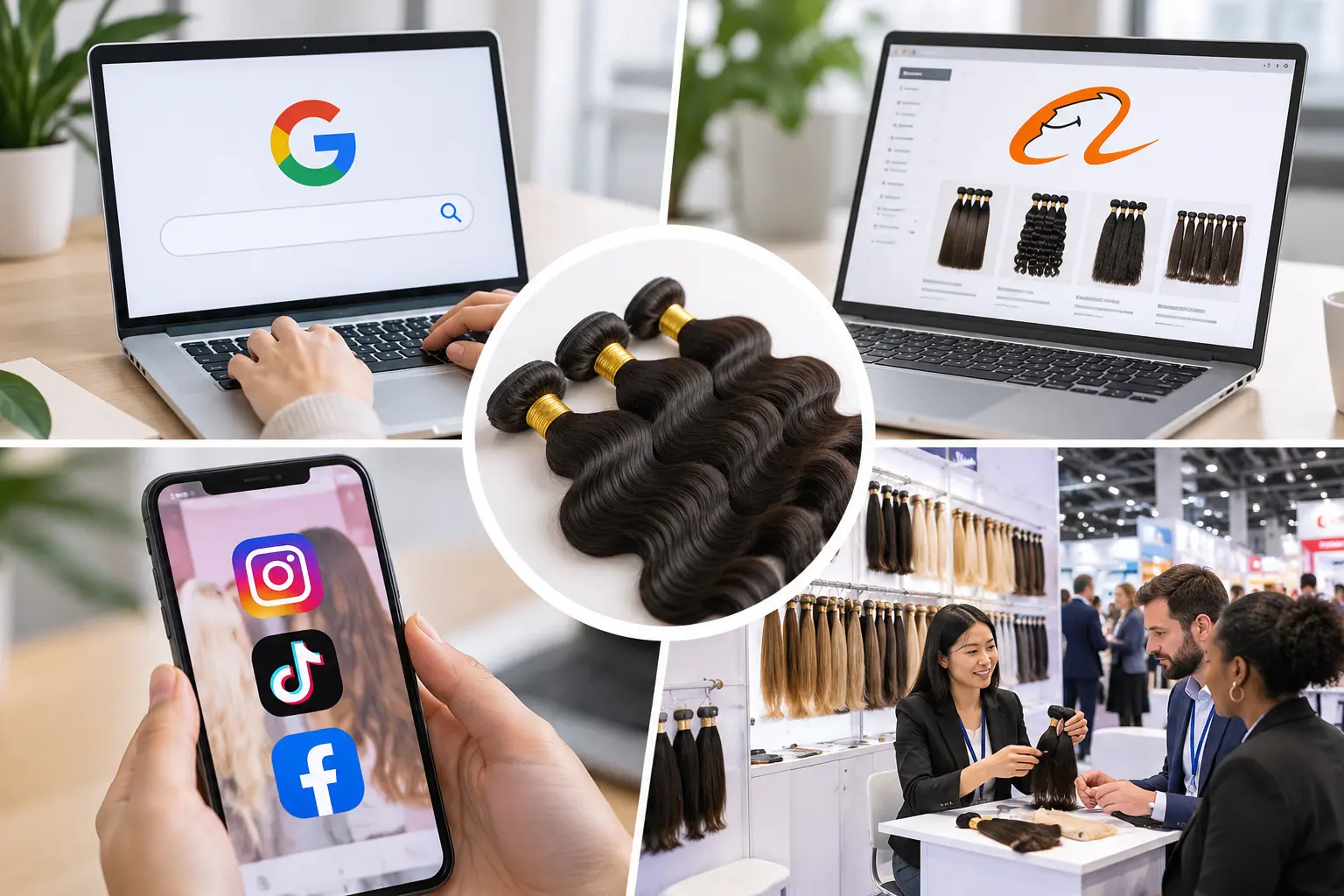
Google Search
A straightforward Google search like "hair extension factory China" or "human hair extension manufacturer" will surface company websites, blog articles, and directory listings. The advantage here is that manufacturers who invest in their own websites and SEO often signal a higher level of professionalism and long-term business orientation.
What to look for: Detailed product pages, factory photos (not stock images), clear contact information, and content that demonstrates manufacturing knowledge rather than just sales pitches.
Alibaba and B2B Marketplaces
Alibaba remains the largest B2B platform connecting Chinese manufacturers with global buyers[^6]. You'll find thousands of hair extension suppliers listed there, from factories to trading companies.
Key caution: Many Alibaba "manufacturers" are actually trading companies that outsource production. This isn't necessarily bad, but it adds a layer between you and quality control. Always ask suppliers directly: Do you own the factory? Can you provide a factory video tour?
Social Media
Instagram, TikTok, and Facebook have become surprisingly effective for discovering Chinese hair extension factories. Many manufacturers now post production process videos, color swatch displays, and product demonstrations on these platforms.
Advantage: You can see real-time production content and get a feel for a factory's capabilities before even making contact. Limitation: Social media presence doesn't guarantee reliability. Polished content can mask quality issues.
Trade Shows
Events like the Canton Fair, Beauty Düsseldorf, Cosmoprof, and various regional hair industry exhibitions allow face-to-face meetings with Chinese manufacturers. I've found that trade shows remain one of the most effective ways to evaluate a supplier's professionalism, product quality, and communication skills in a compressed time frame.
Pro tip: Request product samples at the show and compare them to what arrives in your first order. Consistency between the two is a strong reliability indicator.
What Makes a Hair Extension Factory Truly Reliable?
Finding a supplier is the easy part. The real challenge is distinguishing a reliable hair extension factory from one that delivers acceptable samples but inconsistent bulk orders. After years working in this industry, I've identified four non-negotiable pillars of reliability.
A truly reliable hair extension factory in China excels in four areas: strict raw material sourcing and inspection, mature bleaching and dyeing processes, stable production capacity with consistent delivery timelines, and professional after-sales service. Weakness in any single area will eventually surface as quality complaints, delayed shipments, or damaged customer relationships for your brand.
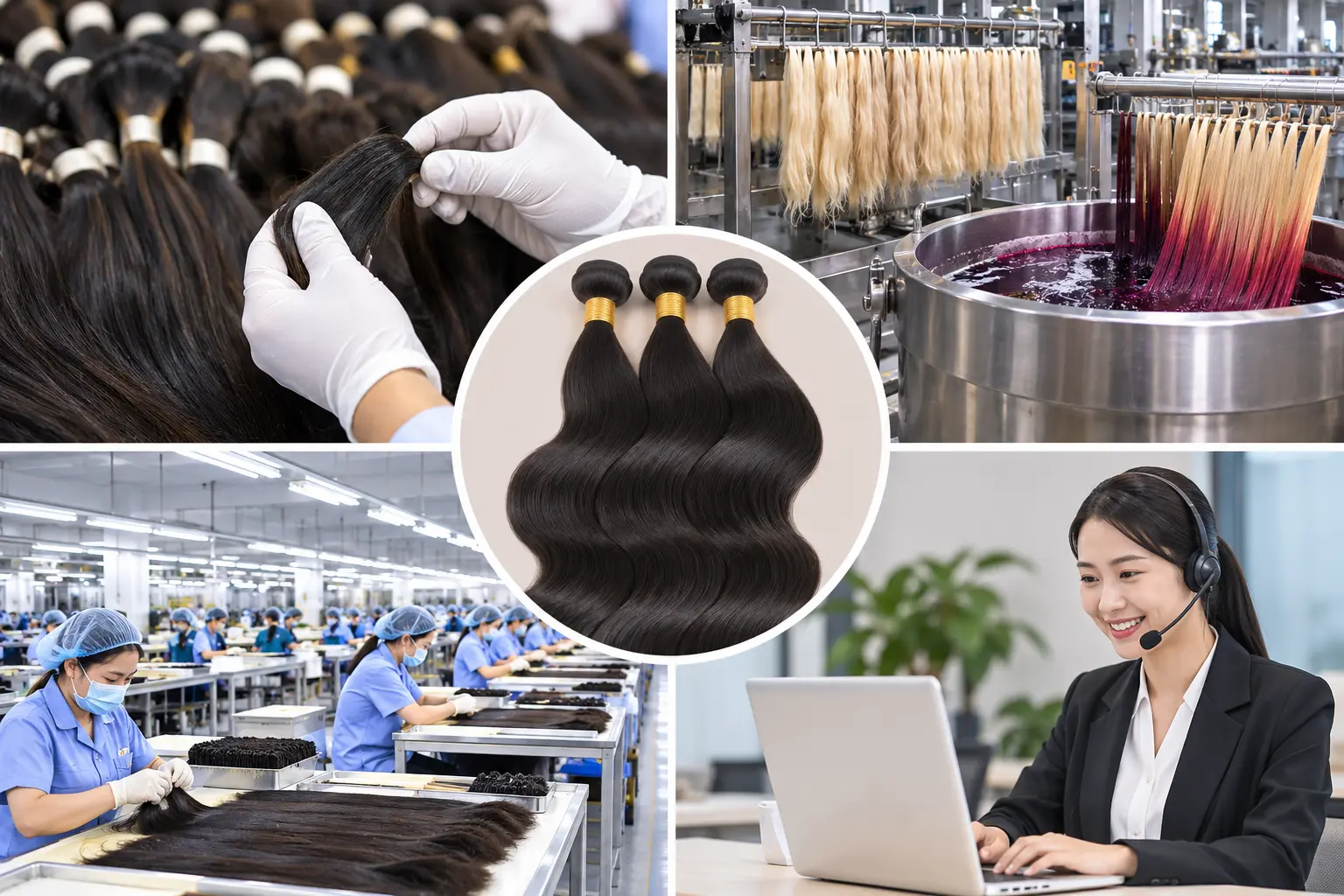
Pillar 1: Strict Raw Material Sourcing and Inspection
Raw material quality is the foundation of every hair extension product.[^7] No amount of skilled processing can fully compensate for poor-quality raw hair. A reliable factory maintains rigorous standards at the very first stage of production.
What strict sourcing looks like in practice:
- Defined sourcing standards: The factory has documented specifications for the raw hair it purchases — including hair origin, cuticle integrity, minimum length requirements, and acceptable levels of gray or damaged strands.
- Incoming material inspection: Before raw hair enters production, it undergoes testing. This may include visual inspection, feel tests for cuticle direction, strength/pull tests, and sometimes chemical residue checks.
- Supplier qualification: Reliable factories don't buy raw hair from random collectors. They maintain long-term relationships with vetted suppliers and regularly audit the quality of incoming material.
Red flag: If a supplier cannot clearly explain where their raw hair comes from or how they inspect incoming materials, proceed with extreme caution.
Pillar 2: Mature Bleaching and Dyeing Processes
This is where many factories fail — and where the difference between a good supplier and a great one becomes obvious. Bleaching and dyeing human hair is a chemistry-intensive, experience-dependent process that directly determines the final product's color accuracy, softness, longevity, and cuticle health.
A mature bleaching and dyeing process depends on three interconnected factors:
| Factor | Why It Matters |
|---|---|
| Raw material selection for processing | Different hair grades respond differently to chemical processing. Experienced factories select the right raw material grade for each target color and product type. |
| Precise time and temperature control | Over-processing destroys cuticles and weakens hair.[^8] Under-processing leaves uneven color. The optimal window varies by hair type and target shade. |
| Experienced dyeing workers | Even with documented formulas, human judgment matters. Experienced colorists can detect subtle variations in raw hair and adjust processing parameters in real time. |
Why this matters for your brand: If a factory's dyeing process isn't mature, you'll see problems like inconsistent color between batches, hair that tangles or sheds prematurely after a few washes, or colors that fade faster than expected. These issues destroy end-consumer trust and generate costly returns.
I always recommend requesting wash test results or performing your own wash test on samples. Wash the sample 3–5 times and observe color fastness, tangling, and shedding.[^9] This reveals processing quality more reliably than any visual inspection.
Pillar 3: Stable Production Capacity and Consistent Lead Times
A factory that makes beautiful samples but can't scale reliably is a liability. Stable production capacity means the manufacturer can fulfill your orders at the agreed quality level and deliver on time — consistently, order after order.
Key indicators of production stability:
- Dedicated workforce: Factories with stable, trained employee teams (rather than seasonal contract workers) deliver more consistent quality.
- Production planning systems: Reliable manufacturers track order progress, allocate capacity in advance, and communicate proactively about any delays.
- Realistic lead time commitments: Be cautious of suppliers who promise impossibly fast turnaround times. A trustworthy factory gives honest timelines and meets them.
- Scalability: Can the factory handle your growth? Ask about maximum monthly output and how they manage capacity during peak seasons.
What I've seen go wrong: Brands partner with a small factory based on excellent samples, then place a larger order and receive inconsistent quality because the factory subcontracted part of the production to meet the deadline. Always ask: Will you produce my entire order in-house?
Pillar 4: Professional After-Sales Support
The relationship doesn't end when the shipment clears customs. A reliable hair extension factory stands behind its products and provides responsive, professional after-sales service.
What professional after-sales looks like:
- Clear complaint handling process: The factory has a defined procedure for receiving, investigating, and resolving quality complaints.
- Willingness to provide replacement or compensation: When legitimate quality issues arise, the factory takes responsibility rather than deflecting blame.
- Ongoing communication: A good manufacturing partner keeps you informed about new product developments, color availability, and any changes that might affect your orders.
- Technical support: Can they advise you on product care instructions, color matching for custom orders, or product line expansion? This level of support indicates deep expertise.
How Should You Evaluate a Hair Extension Factory Before Placing an Order?
You've found a potential supplier and they check the boxes on paper. But how do you verify their claims before committing real money? A structured evaluation process protects your investment.
Before placing your first order with a hair extension factory in China, you should request product samples for independent testing, ask for a factory video tour or in-person visit, verify business credentials and export history, start with a small trial order, and establish clear quality standards in writing. This systematic approach minimizes risk and reveals potential issues before they affect your customers.

Step-by-Step Evaluation Process
-
Request multiple samples — Ask for samples in several colors, lengths, and product types you plan to order. Pay attention to consistency across samples, not just individual quality.
-
Conduct wash and wear tests — Wash samples multiple times. Check for shedding, tangling, color fading, and overall feel after washing. This simulates real consumer use.
-
Ask for a factory tour — Whether in-person or via live video call, seeing the actual production environment tells you more than any sales pitch. Look for organized workstations, quality inspection stations, and proper chemical storage for dyeing operations.
-
Verify business credentials — Request the company's business license, any relevant quality certifications, and references from existing clients if possible. Treat certifications as documents to verify independently.[^10]
-
Start with a trial order — Don't commit to your full annual volume on the first order. Place a smaller trial order and evaluate the delivered product against the samples you approved. Consistency between samples and bulk production is the ultimate reliability test.
-
Document quality standards — Put your specifications in writing: acceptable color range, weight per bundle, weft width, hair length tolerance, and packaging requirements. A reliable factory welcomes detailed specifications because they reduce misunderstandings.
Important note: For application-specific decisions — such as which hair type works best for your target market or which attachment method suits your brand positioning — I recommend consulting with qualified industry professionals who understand your specific end-consumer needs.
Frequently Asked Questions
How can I tell if a Chinese hair extension supplier is a factory or a trading company?
Ask to see their factory directly — via video call or in-person visit. Request photos of their production line with your product in process. Trading companies often hesitate or show generic factory images. A real manufacturer can show you raw materials, processing stations, and finished product areas in a continuous tour.
What is the typical minimum order quantity from a Chinese hair extension factory?
MOQs vary widely depending on the factory and product type. For standard products like machine wefts or tape-ins, MOQs might range from 10–50 pieces per color per length. Custom colors or specialty products like hand-tied wefts may require higher minimums. Many reliable factories offer negotiable MOQs for new brand clients to build long-term relationships.
How long does production usually take for a hair extension order from China?
Standard production lead times range from 15 to 30 business days depending on order size, product complexity, and customization requirements. Custom colors or large-volume orders may take longer. Always confirm lead times in writing before placing your order and factor in international shipping time (typically 5–10 days by air, 25–40 days by sea).
Should I visit the factory in person before placing a large order?
An in-person visit is ideal for large or long-term commitments, but it's not always practical. A live video factory tour is a reasonable alternative. During the tour, ask to see specific production stages — especially raw material sorting, bleaching/dyeing, weft construction, and final quality inspection. The willingness and ease with which a factory accommodates this request is itself a reliability indicator.
What quality certifications should I look for from a Chinese hair extension factory?
Common certifications include ISO quality management certifications and product safety testing reports. Some factories also hold specific export-related documentation. However, always verify certifications independently rather than accepting copies at face value. The presence of certifications is a positive signal, but verified certifications carry far more weight.
Conclusion
Finding a hair extension factory in China is straightforward — but finding a reliable one requires deliberate evaluation. Focus your vetting on the four pillars that matter most: strict raw material sourcing and inspection, mature bleaching and dyeing expertise, stable production capacity with consistent lead times, and professional after-sales support. Use a structured approach — sample testing, factory tours, trial orders, and documented quality standards — to validate a supplier's claims before scaling your partnership.
At RENAI HAIR, we've built our manufacturing operations around exactly these principles. As a professional human hair extension manufacturer specializing in 100% Remy and cuticle-intact hair products — from Genius Wefts and Tape-Ins to Hand-Tied Wefts, Toppers, and beyond — we welcome buyers who demand transparency and consistency. If you're looking for a reliable hair extension factory in China to support your brand's growth, reach out to our team for samples and a factory tour. We'd be happy to show you how we work.
[^1]: "Wigs, false beards, eyebrows, etc and articles, exports by country |2024", https://wits.worldbank.org/trade/comtrade/en/country/ALL/year/2024/tradeflow/Exports/partner/WLD/product/670420. International merchandise trade data show China as a leading exporter in product categories that include wigs, hairpieces, and prepared human hair products, supporting the characterization of China as a major global production and export hub for hair-extension-related goods. Evidence role: statistic; source type: government. Supports: China accounts for a leading share of global exports in categories covering wigs, hairpieces, and prepared human hair products.. Scope note: Trade categories may combine hair extensions with wigs and other hair goods, so the data provide contextual support rather than a direct count of hair extension manufacturing output alone. [^2]: "CBP Detains Chinese Shipment of Suspected Forced Labor Products ...", https://www.cbp.gov/newsroom/national-media-release/cbp-detains-chinese-shipment-suspected-forced-labor-products-made. Customs or UN Comtrade destination data for Chinese exports in hair-product categories can document that shipments go to multiple regional markets, including North America, Europe, and Africa. Evidence role: statistic; source type: government. Supports: Chinese exports of hair-product categories are distributed to major markets in North America, Europe, Africa, and other regions.. Scope note: The export data may not identify the end buyer as a brand and may group several types of hair products together. [^3]: "An analysis of spatial changes in the manufacturing industry in china's ...", https://pmc.ncbi.nlm.nih.gov/articles/PMC11876338/. Research on China's hair-products industry describes clustered production systems in which sourcing, processing, fabrication, and export services are geographically and commercially interconnected. Evidence role: general_support; source type: research. Supports: China's hair-products sector is organized around concentrated industrial clusters with linked suppliers, processors, manufacturers, and exporters.. Scope note: Such research may support the existence and importance of Chinese clusters but may not prove that China has the single most concentrated ecosystem worldwide. [^4]: "Contact Us - China hair manufacturer", https://reddmoon.com/contact-us/. Industry association or local economic-development data identifying Qingdao and nearby Shandong cities as a dense hair-products manufacturing cluster would support the statement that the region contains a large number of producers. Evidence role: statistic; source type: institution. Supports: Qingdao or the surrounding Shandong region has a large concentration of hair-product manufacturers.. Scope note: Available sources may report hair-products enterprises broadly rather than factories devoted specifically to hair extensions. [^5]: "List of busiest container ports", https://en.wikipedia.org/wiki/List_of_busiest_container_ports. Port authority or international shipping data identify Qingdao as a major seaport with significant container and cargo throughput, supporting its relevance to export logistics. Evidence role: general_support; source type: institution. Supports: Qingdao operates one of China's major seaports and handles substantial international cargo traffic.. Scope note: Port throughput data support Qingdao's general logistics capacity rather than hair-product exports specifically. [^6]: "Alibaba Group", https://en.wikipedia.org/wiki/Alibaba_Group. Neutral reference sources describe Alibaba.com as a major international business-to-business e-commerce marketplace that connects suppliers, including many in China, with overseas buyers. Evidence role: general_support; source type: encyclopedia. Supports: Alibaba.com is a large international B2B marketplace associated with Chinese suppliers and global buyers.. Scope note: General reference sources may support Alibaba's scale and role but may not verify that it is the largest by every possible metric. [^7]: "Systems Approach to Human Hair Fibers: Interdependence Between ...", https://pmc.ncbi.nlm.nih.gov/articles/PMC6393780/. Hair-fiber research shows that structural characteristics such as cuticle condition, chemical damage, and tensile strength affect the behavior and durability of processed human hair, supporting the importance of raw material quality in finished hair extensions. Evidence role: mechanism; source type: paper. Supports: Human hair properties such as cuticle integrity, fiber damage, and tensile strength influence performance after processing.. Scope note: Most hair-science studies examine human hair fibers generally rather than commercial hair extensions specifically. [^8]: "Effects of excessive bleaching on hair: comparative analysis of ... - PMC", https://pmc.ncbi.nlm.nih.gov/articles/PMC11652465/. Experimental studies of chemically treated human hair report cuticle disruption and reduced mechanical properties after intensive bleaching or related oxidative treatments, supporting the warning that over-processing can weaken hair. Evidence role: mechanism; source type: paper. Supports: Overexposure to bleaching or dyeing chemicals can damage the cuticle and reduce the mechanical strength of human hair fibers.. Scope note: The degree of damage depends on formulation, exposure time, temperature, and initial hair condition. [^9]: "Hair Shedding Evaluation for Alopecia: A Refined Wash Test", https://pubmed.ncbi.nlm.nih.gov/35115799/. Standardized colorfastness methods, such as laundering and washing tests, use controlled washing cycles to evaluate whether dyed materials retain color, providing methodological support for wash-testing hair extension samples. Evidence role: general_support; source type: institution. Supports: Repeated washing is a recognized approach for evaluating colorfastness and post-wash material performance.. Scope note: Textile colorfastness standards support the principle of repeated wash evaluation but do not directly validate a specific three-to-five-wash protocol for hair extensions. [^10]: "ISO - Certification", https://www.iso.org/certification.html. ISO and international accreditation guidance emphasize that management-system certificates should be checked for validity through the issuing certification body or relevant accreditation channels, supporting independent verification of supplier certifications. Evidence role: expert_consensus; source type: institution. Supports: Certification validity can and should be checked through issuing certification bodies, accreditation bodies, or recognized verification systems.. Scope note: This guidance applies broadly to certifications and is not specific to hair extension manufacturers.